Packing for a summer trip sounds simple until you consider how many different situations you might encounter. You could spend the morning at the beach, walk through a city in the afternoon, and sit down for dinner somewhere warm in the evening. If you pack without thinking about how pieces work together, your suitcase fills quickly, and half of it goes unused. A practical wardrobe relies on clothing that handles heat, movement, and repetition without becoming uncomfortable or looking out of place.
Choosing the right clothing
Start with swimwear if your destination involves water. Bring suits that stay secure when you move and dry quickly. Two swimsuits usually make more sense than one, since the first rarely dries completely overnight in humid conditions. Perhaps a matching two-piece for the beach and something chlorine-resistant for the pool.
Add lightweight pieces that you can wear in more than one setting. Loose dresses, linen trousers, and breathable shirts work well during the day and can still look appropriate in casual restaurants later on. Fabrics like cotton and linen allow air to circulate, which makes a noticeable difference when you spend long hours outside. If you expect to walk frequently, avoid clothing that restricts movement or traps heat. Breathable tops, relaxed skirts, and lightweight shorts help you stay comfortable without constant adjustment.
Choose colors that combine easily. Neutrals, muted tones, and simple patterns reduce the number of items you need because each piece works with the others.
Smart packing decisions
Versatility matters more than quantity. A single item that works in several situations reduces the need for backups. A loose shirt can serve as daytime clothing and later work as a light outer layer. A simple dress can function as a cover-up near water and still hold its shape for evening wear. Sarongs and wraps earn their place because they adapt easily. You can wear one over swimwear, use it as a light layer in the evening, or carry it as a small blanket when needed.
Footwear takes up space quickly, so limit yourself to what you will actually use. One pair for walking, one pair for the beach or pool, and one pair suitable for evenings usually covers most situations. Each pair should feel comfortable from the first day rather than needing time to break in.
Don’t forget your summer beauty essentials - but maybe don’t pack your entire cosmetics case. Instead, look for travel-sized products (or samples), and leave behind anything that you don’t absolutely need.
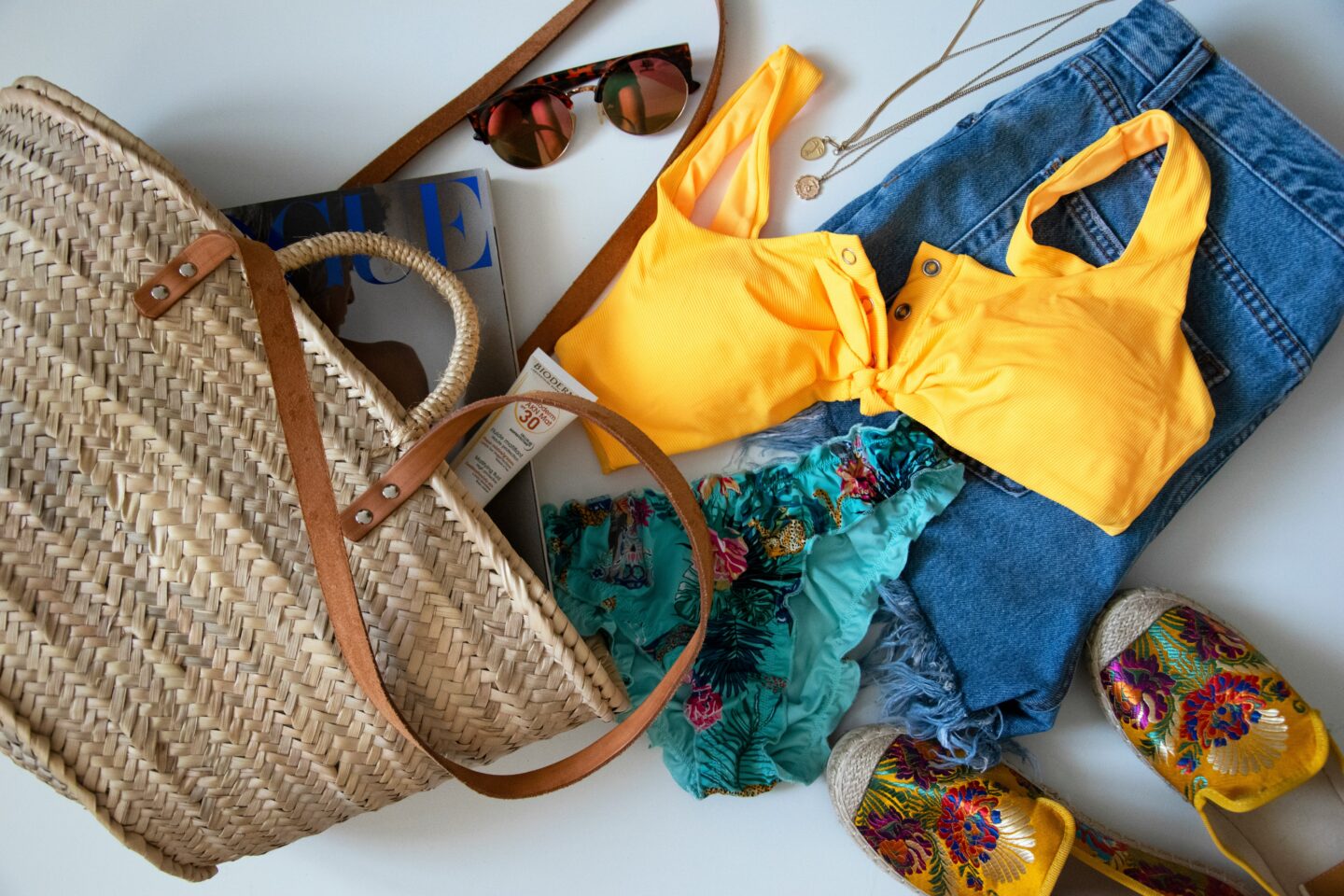
Keeping your personal style intact
Comfort doesn’t require abandoning your usual preferences. If you normally wear hats, bring one that provides shade and holds its shape. If you prefer certain colors or silhouettes, build around those instead of buying unfamiliar items specifically for the trip.
Clothing that already feels familiar tends to get worn more often than pieces chosen only because they seemed appropriate for a vacation.
Accessorizing without overpacking
Accessories can change an outfit's look without taking up much space. Sunglasses protect your eyes and are used every day. A belt can adjust fit or add structure to looser clothing, and jewelry that works with multiple outfits reduces the need for separate options.
Avoid bringing accessories that match only one item. Pieces that integrate easily with the rest of your wardrobe justify the space they occupy.
Packing and organization
How you pack affects how much you can carry comfortably. Rolling clothing helps reduce wrinkles and uses space efficiently. Packing cubes or simple organizers keep items separated, so you don’t have to unpack everything to find a single item. Store shoes in separate bags to keep dirt away from clothing. Place frequently used items where you can reach them easily.
A practical summer wardrobe doesn’t depend on quantity. It depends on choosing clothing that handles heat, movement, and repeated wear without creating inconvenience.
Guest post - Photos by Julia Kicova on Unsplash
0